Educational content only. Not medical, psychological, or health services. Informational guidance from London, United Kingdom.
Educational Framework

How we teach slow living

Our approach is built on four foundational principles that inform every course, workshop, and consultation we offer.

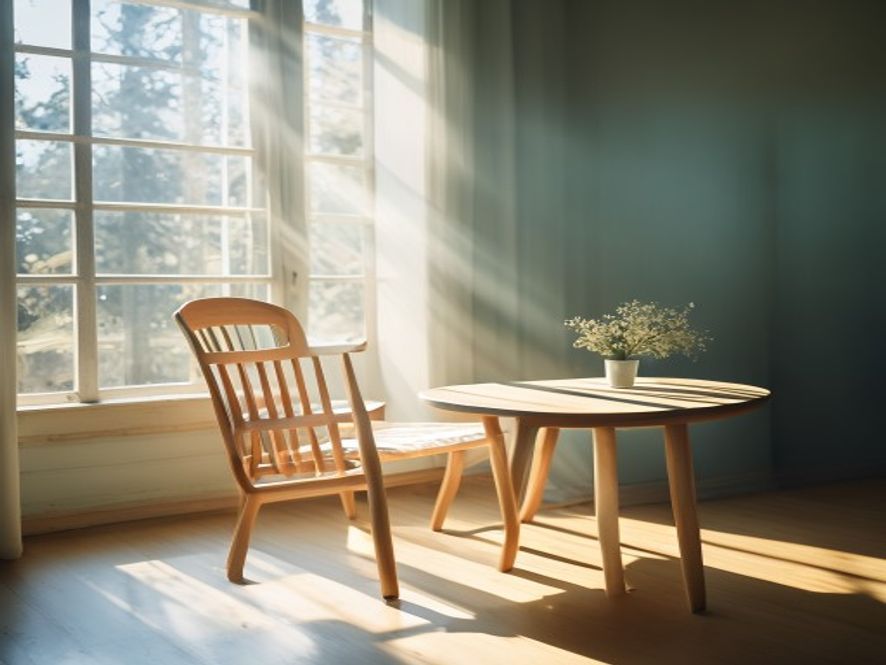
Sunlight streaming through a window onto a chair and wooden table
The Four Pillars

Principles that shape our teaching

1

Rhythmic Time

We teach that time has natural rhythms—circadian, seasonal, weekly—that your body and mind respond to. Rather than fighting these rhythms, slow living means learning to work with them. Your morning rhythm differs from your evening one. Autumn energy differs from spring. Slow living isn't about doing less; it's about aligning what you do with when you do it. Our courses explore these rhythms practically, helping you design a pace that feels sustainable, not forced.

In practice: Morning routines teach you your natural waking rhythm; seasonal transition courses help you shift habits as daylight changes; sleep courses align your evening practices with your body's needs.

2

Conscious Choice

We believe slow living begins with awareness, not obedience. Every practice in our courses is optional; every principle is adaptable. We teach you frameworks so you can choose what serves your life. Some people thrive with strict routines; others need flexibility. Some find morning meditation essential; others connect better in evening reflection. We don't prescribe. We educate, so you can decide what fits. This is why our courses include reflection prompts and adaptation tools—not to show you the "right way," but to help you discover yours.

In practice: Courses offer multiple practices per theme; consultations are deeply personalised; challenges include opt-in, not mandatory, daily tasks; all learning is voluntary and customisable.

3

Sustainable Practice

We've noticed that most people abandon new practices within weeks because they're too ambitious, too rigid, or too disconnected from real life. Our framework is built around micro-habits and integration. A 10-minute morning pause beats a 60-minute routine you never sustain. One evening ritual, genuinely practised, beats five you half-heartedly attempt. Slow living is about what you can maintain indefinitely—not what looks impressive for a month. Our courses explicitly teach you how to start small, integrate gradually, and adjust as life changes.

In practice: Daily practices are 5–15 minutes; challenges build gradually; courses include troubleshooting for real-life obstacles like travel, illness, busy seasons, and family shifts.

4

Connected Living

Slow living is sometimes portrayed as solitary—long baths, solo meditation, withdrawing from the world. That's a misunderstanding. Our philosophy is that intentional pacing actually deepens your connections—to people, to your environment, to your values, to the present moment. When you're not rushing, you listen better. When you move slowly, you notice more. When you pause, you can be more present. Many of our courses include community elements—group workshops, peer forums, challenge communities—because slow living is richer when you explore it with others. And it's stronger when grounded in the real world, not escapism.

In practice: Courses encourage you to share progress with a friend or partner; workshops are group learning; challenges include peer forums; all practices are designed to be integrated into your existing relationships and responsibilities.
What We Don't Teach

Clarity on our scope

Medical or health treatment

We do not diagnose, treat, or prescribe. Our courses are not therapy. If you have health concerns, consult your GP or relevant professional.

Guaranteed outcomes

We cannot promise specific results or life changes. Individual outcomes depend entirely on your engagement, circumstances, and preferences. Slow living is personal.

Spiritual or religious instruction

While many find spiritual dimension in slow living, our courses are secular and practical. We teach frameworks, not beliefs.

Productivity hacks or optimisation

We are not about squeezing more achievement into less time. Slow living is often about doing less, more consciously.

The Learning Process

How we structure education

Awareness

You explore what slow living means to you. What's currently fast-paced? What do you want to change? No action yet—just noticing.

Learning

We provide frameworks, research-informed practices, and real-world examples. You learn the "why" and the "how," so you can adapt intelligently.

Experimentation

You choose one practice to try. Small. Specific. Doable. You notice what happens without judgment. Some practices stick; others don't. Both are valuable data.

Reflection

You pause to notice patterns, surprises, obstacles. What's working? What needs adjustment? Our courses include prompts and tools for this reflection.

Integration

Over time, practices become habits, then rhythms, then just "how you live." This takes months or years, not weeks. And it's okay to circle back through earlier steps as life changes.

Transparency

Who we are & what we stand for

We believe you deserve to know who's teaching you and what their motivations are.

Our background

Elbowsflushing was founded by educators and lifestyle designers interested in teaching intentional living practices. We're not a wellness brand selling products or supplements. We're educators offering courses and guidance. Our revenue comes from course fees and consultations—not from selling anything else or promoting particular brands.

No medical claims

We do not claim our courses treat, cure, or prevent any medical condition. We do not recommend these courses as therapy or as a substitute for professional mental health care. Educational guidance on living intentionally is simply that—educational.

Individual variation

We emphasise throughout our courses that slow living looks different for everyone. What works for one person may not work for another. There is no single "right way," and outcomes vary widely based on many factors outside our control.

Ongoing learning

We update our materials regularly as we learn from student experiences and evolving evidence. If you've taken a course before, new editions may reflect refined thinking. This is part of educational integrity.

Ready to understand our approach more deeply?

Explore our courses to see these principles in action, or book a consultation to discuss which format might be right for you.

Browse Our Courses